How to make a smart hospital ward
5 ways your Trust can use smart technology to enhance hospital stays and support patient recovery
Many people struggle with staying in hospitals. For some, a ward is an unknown surrounding they’ve found themselves in following shock health scares. While for others, it’s a reminder they’re suffering from chronic diseases. Either way, health worries and stressful hospital environments aren’t ideal for a swift recovery.
However, enhancing in-patient experiences is a key focus for smart hospitals. It’s heavily backed by the New Hospital Programme and the NHS’ 10 year plan.
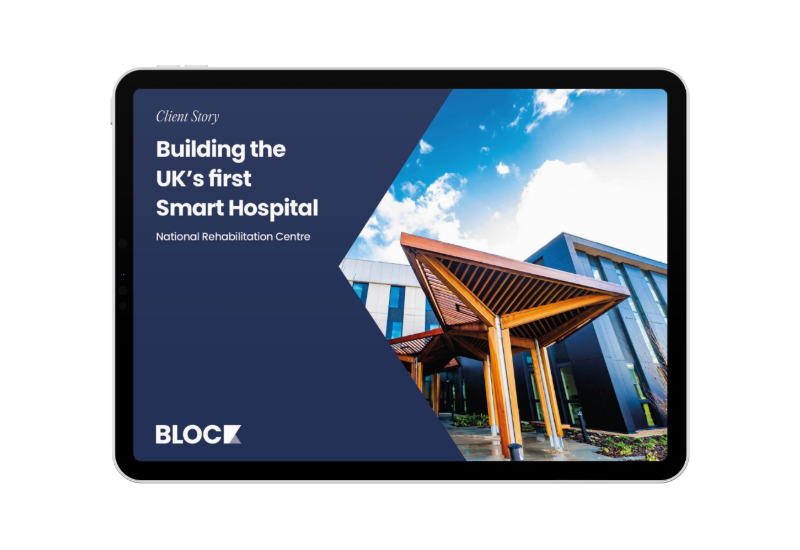
We’re beginning to see smart wards come to life (the patient rooms at the National Rehabilitation Centre are just one example). These spaces use sensors and Internet of Things (IoT) devices to collect data on hospital activities. The data generated is then used to make quick decisions that drastically benefit patient care.
So, how can your NHS Trust start creating a data driven smart ward? What areas can your digital team look to enhance? And what smart technology do you need to facilitate this?
Below, we outline some of the steps to making this happen and how they can improve the patient experience.

1. Smart lighting and HVAC
Lighting and temperature contribute to patient comfort. Smart technology makes these utilities personalised to patient needs and energy efficient.
For example, smart lighting can adjust throughout the day according to the circadian rhythm, which studies show can support recovery speed. This technology can also integrate with occupancy monitoring. So, the lights will automatically go off to reserve energy if a room becomes empty.
Smart HVAC (heating, ventilation, and air conditioning) is also able to turn on and off based on if someone is in a room or is booked to come into a room shortly. It can also be voice-activated which means patients can independently control their environment, instead of waiting for a nurse. This function is useful for patients staying in single rooms, who may have lost autonomy.
Most NHS Trusts use smart HVAC to monitor and maintain room temperatures. But you can also apply the same technology to water pipes in your ward. For example, the sensors will be able to alert the estates team if the conditions show a risk of legionella disease (from warm water stagnating in the pipes). This can help with bringing down contamination risks for in-patients.
2. Smart occupancy monitoring
Wards are always in-demand and smart occupancy monitoring optimises space through several ways.
Firstly, occupancy monitoring can help nurses and clinicians find spaces to work and take meetings. Sensors can track which rooms are available and make them bookable to staff. Plus, the room will show as available again if someone doesn’t arrive for a booking.
Secondly, consistent data from occupancy monitoring can show where spaces are being used regularly and where they’re not. This creates an opportunity for hospitals to repurpose those underused areas into additional ward space.
Lastly, there are specialists who use this technology to offer smart beds. Data collected shows if a bed is available or in use. It also has other helpful functions such as alerting porters that a bed needs changing. Having this visibility over bed occupancy on wards can drive down the number of patients sat out in corridors waiting for a bed.
3. Asset tracking medical equipment
It’s not hard for medical equipment to go missing, but asset tracking makes it much easy to find. Sensors on regularly used medical equipment share its real-time location to an asset tracking app.
Nurses can search for equipment on a device (usually a tablet or softphone) and the app will tell them where it is. Research shows nurses currently spend an hour or more every shift looking for lost medical gear, such as heart rate, blood pressure, or vital signs monitoring equipment.
So, making things easier to find could have several benefits. Nurses have a better working experience with less frustration and patients are treated faster with less waiting. Meanwhile the hospital saves money because it doesn’t need to replace lost equipment as regularly.

4. Staff and patient tracking
Tracking people in healthcare can provide stronger safety measures and greater autonomy for both patients and staff.
Patient tracking usually involves wearable devices, like a wristband with a sensor in it or AI-powered CCTV which is able to identify people. This technology is already used in some UK maternity wards to protect and keep track of newborn babies.
Tracking can also be used for vulnerable in-patients like those with brain injuries or dementia. For example, AI-CCTV can alert staff if patients accidentally wonder off-premises, and a sensor-embedded wristband can show their location.
Wristbands are also useful because they sense falls and automatically alert staff. Creating this visibility means nurses can give patients more breathing room in the knowledge that they will know immediately if they need to rush to a patient’s bedside.
5. Wayfinding
Smart wayfinding technology helps patients (and staff) to navigate hospitals and their many corridors.
Of course, generic navigation apps can show patients how to get to hospital buildings, but they don’t show how to get from ward to ward once you’re inside. Wayfinding technology does this, and it’s also able to personalise the journey based on patient information.
For example, if a patient needs to travel to somewhere else in the hospital, wayfinding technology can show them a route that’s most accessible to their wheelchair or a route with frequent toilet stops.
Behind the scenes, wayfinding supports the asset tracking technology we covered earlier. It’s this technology that shows nurses where their requested equipment is and how to get there.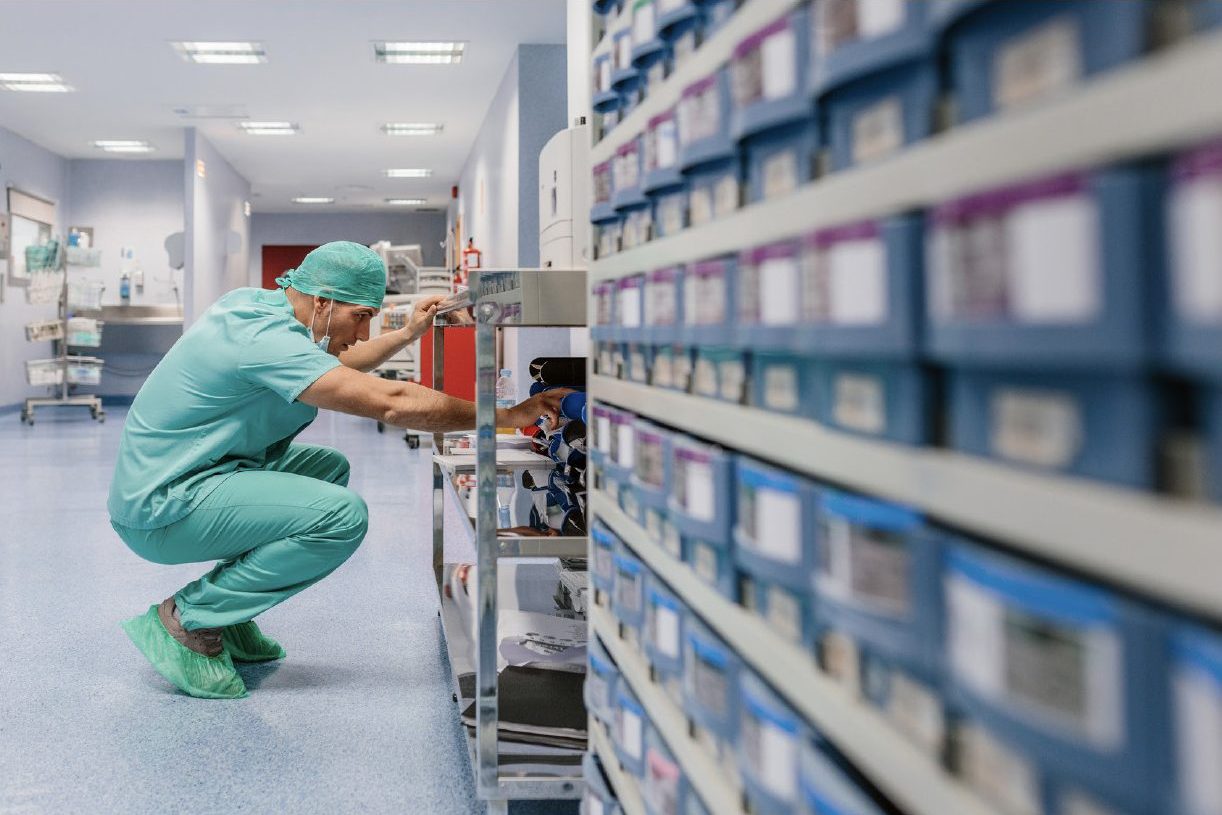
Using smart ward technologies together
Different smart technologies bring different benefits to hospital wards. What you invest in will depend on your staff and patient’s needs as well your budget and goals.
You might decide to deploy one piece of high-value smart tech or you could choose multiple smart technologies that combine to bring value (such as asset tracking and wayfinding).
In this blog, we’ve focused on the end-user benefits that smart wards can bring. However, you’ll also need to think about how you can make these technologies work together by integrating them into a wider information system. That means connecting smart lighting, occupancy monitoring, and asset tracking to the same network and systems.
You’ll also need to make sure any patient data collected from sensors and IoT devices are analysed securely, which means having strong network and IoT security. This might seem like a big task but it can hold rewards for your Trust’s entire medical service and reduce the burden on staff.
So right now is an exciting time for digital teams. Trusts have an opportunity to create a ward environment that adapts to patients and staff, improving experiences and aiding recovery while also supporting operational resilience and energy efficiency.